Our pilot project, told in four chapters.
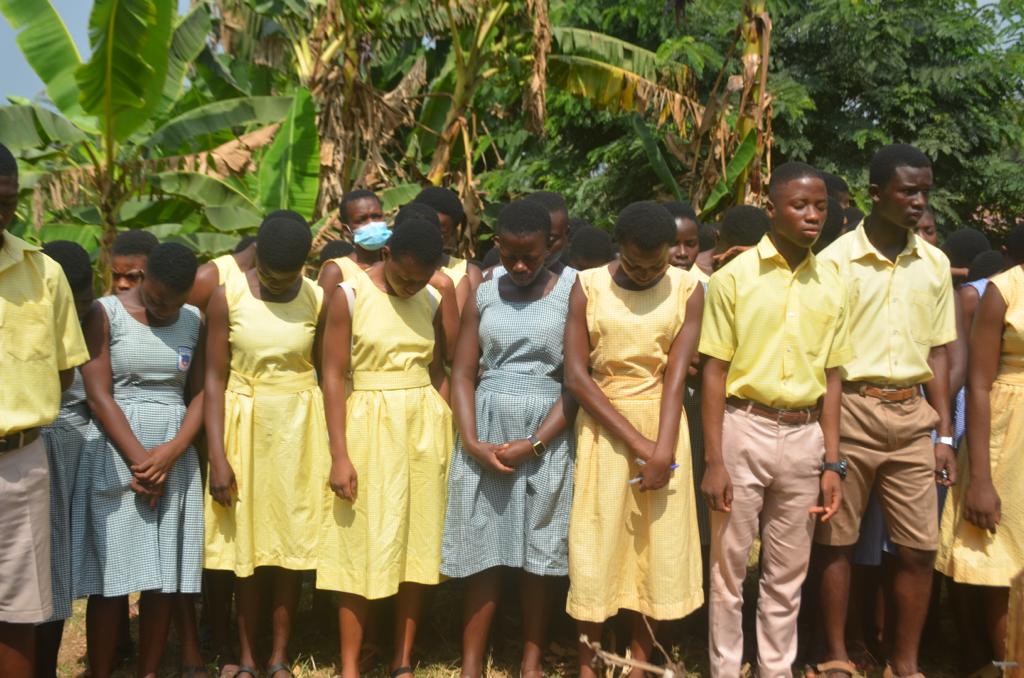
Nkonya Senior High School in the Oti Region, Ghana — the school that shaped our founders, and where Sanitopia began.
How the concept was conceived
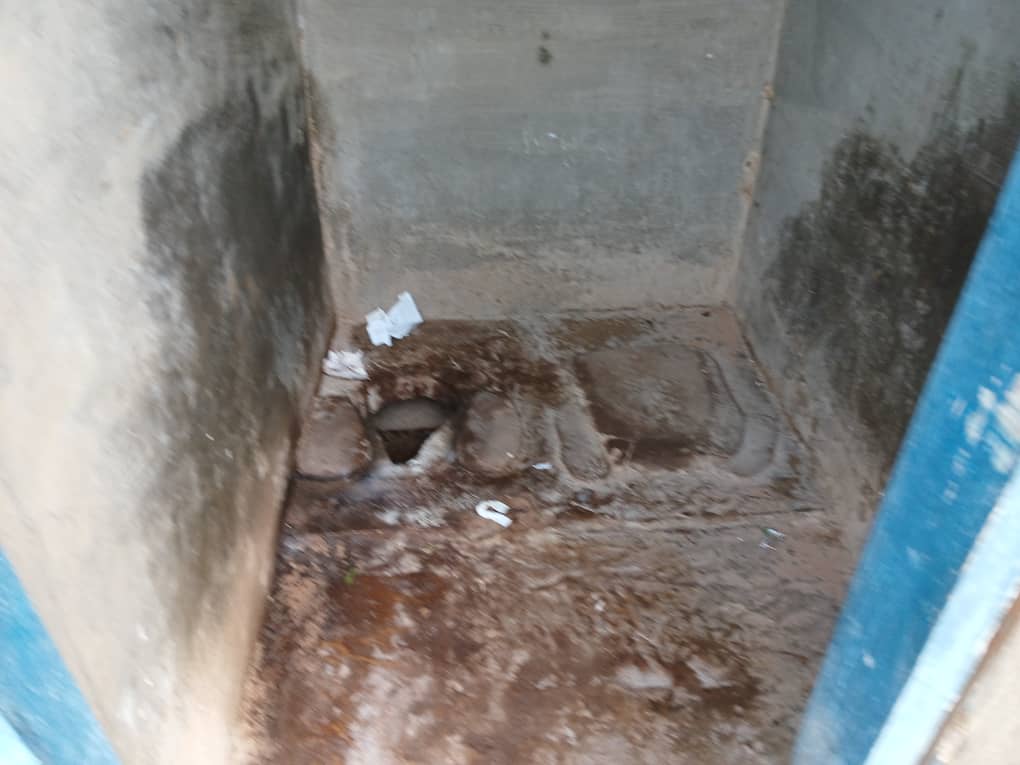
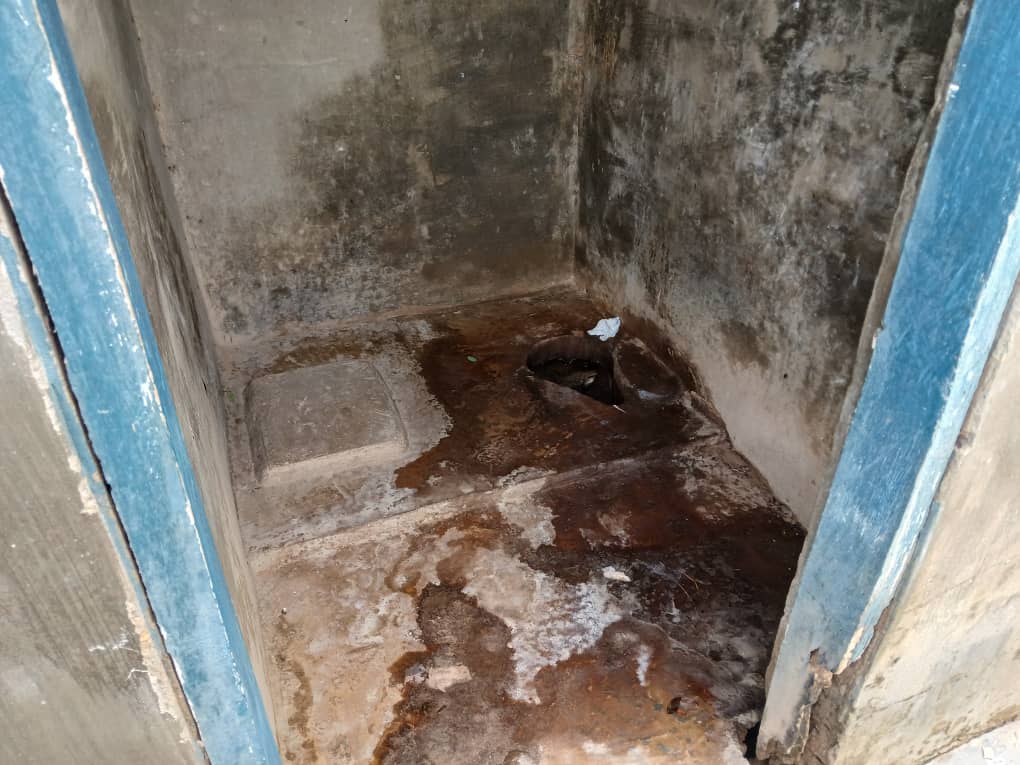
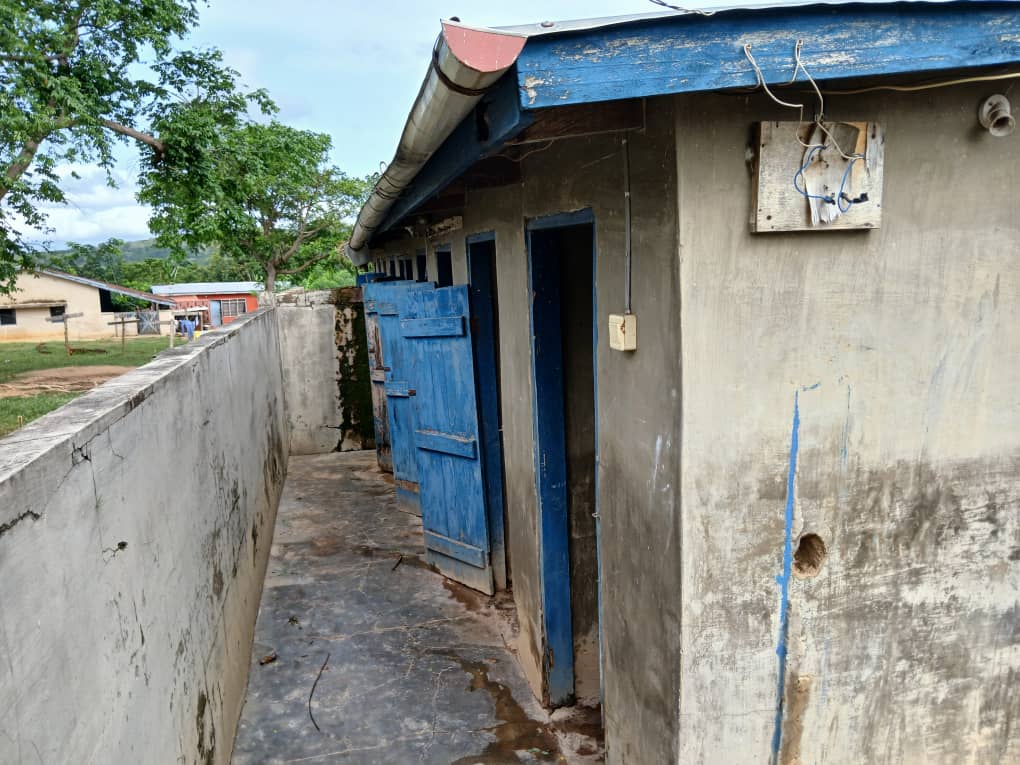
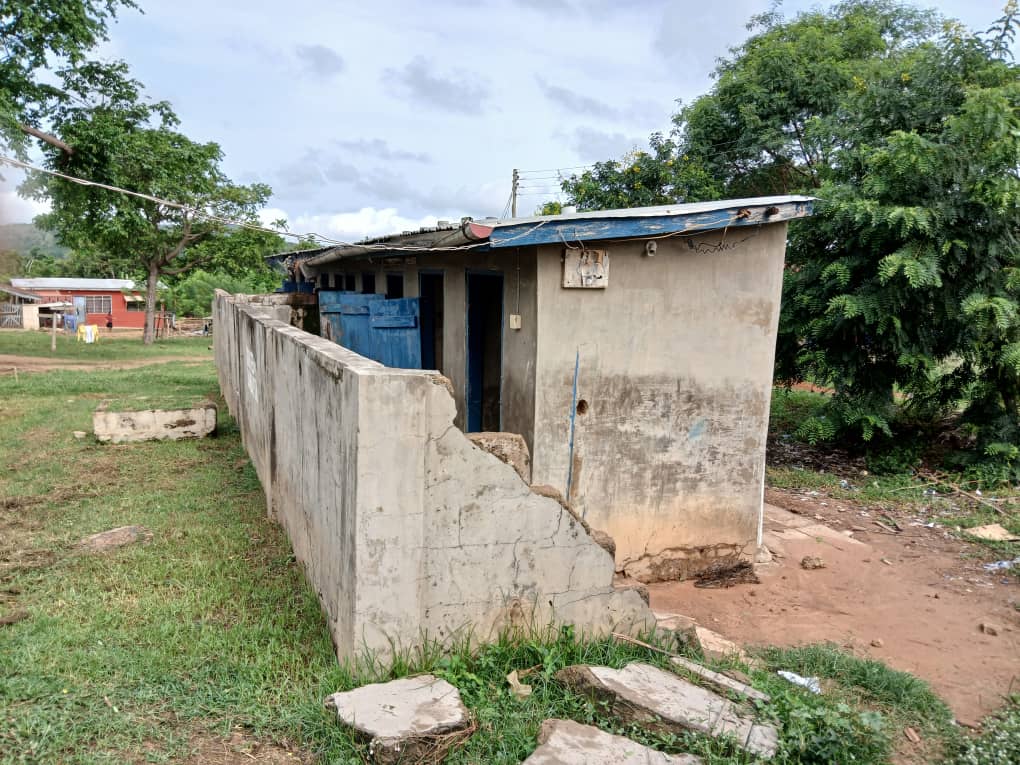
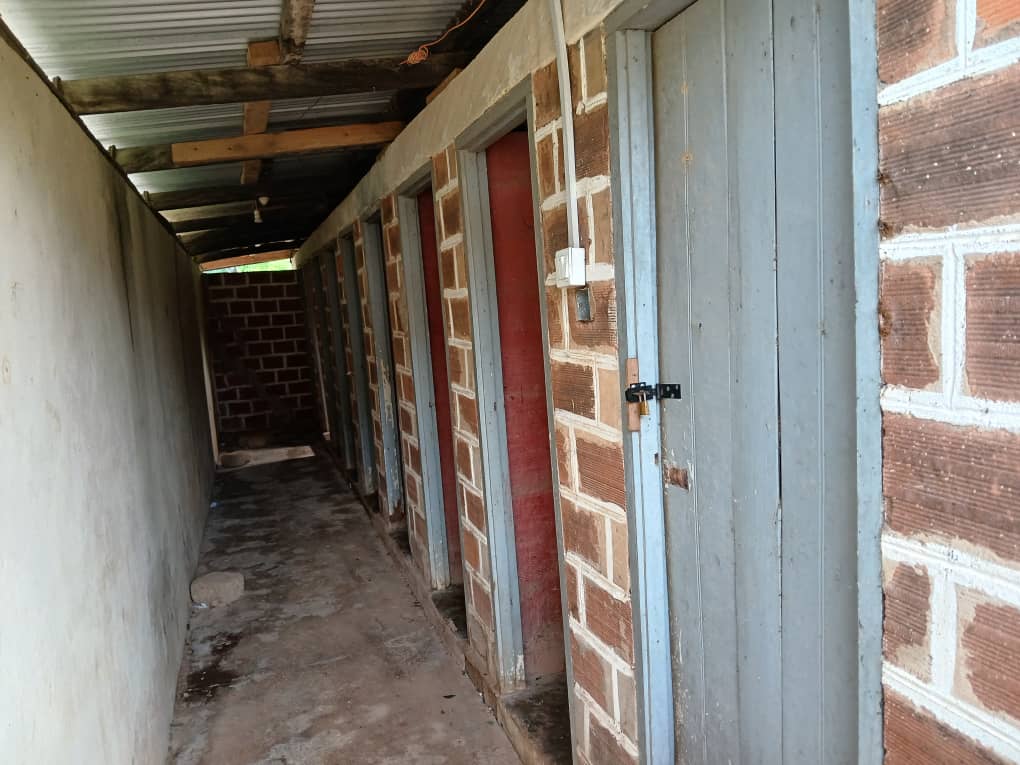
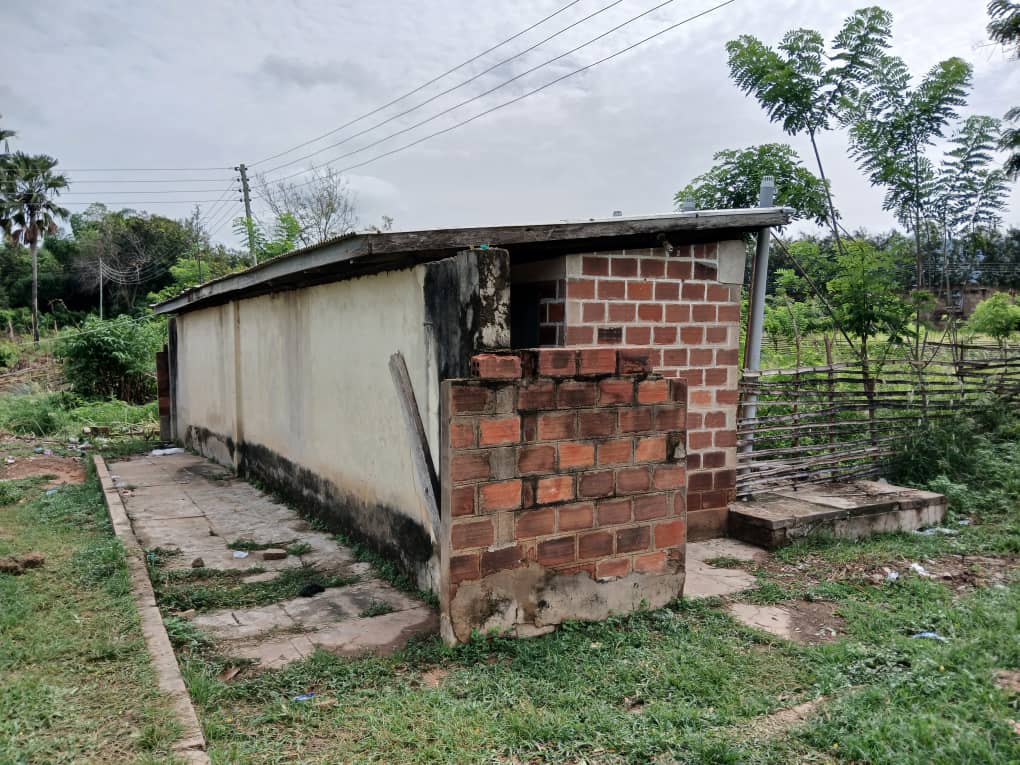
Richard and Joan Acheampong are proud alumni of Nkonya Senior High School (NKOSEC) — the only secondary school in their community during their youth. Returning years later, Richard was disturbed by the state of the girls' washroom: out of use for over a decade, it had deteriorated into a makeshift space that fell well below acceptable hygiene standards.
The problem
The facility was no longer functional as a proper lavatory. It posed real health risks to female students and made an urgent case for intervention. The structure that should have meant safety had become a symbol of neglect.
The solution
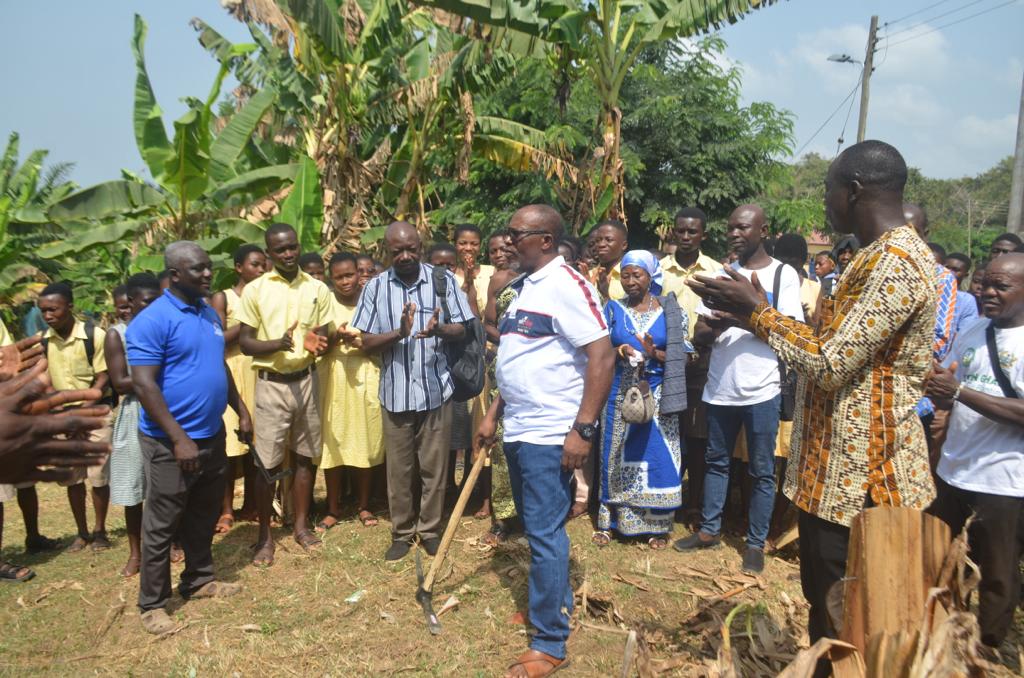
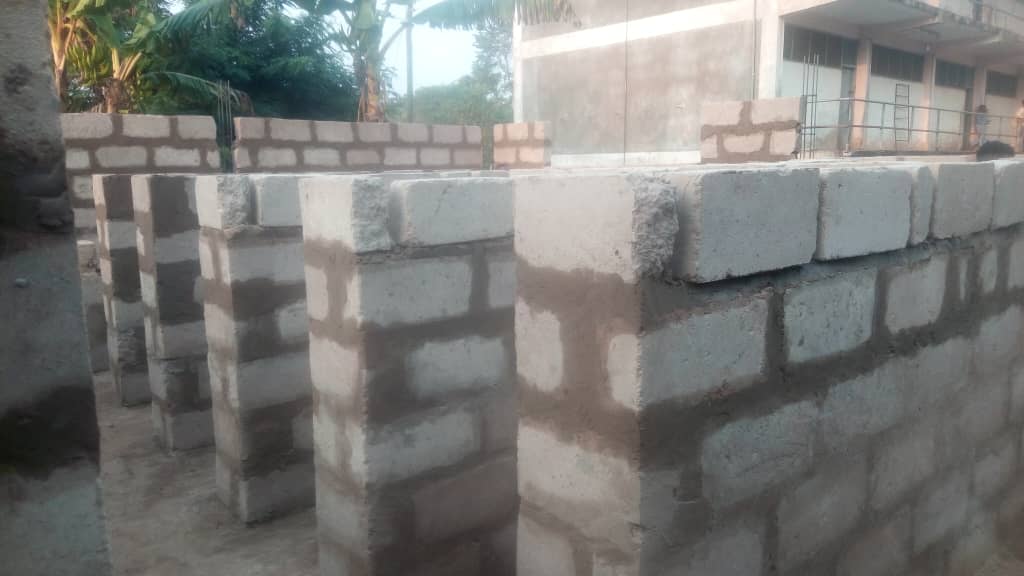
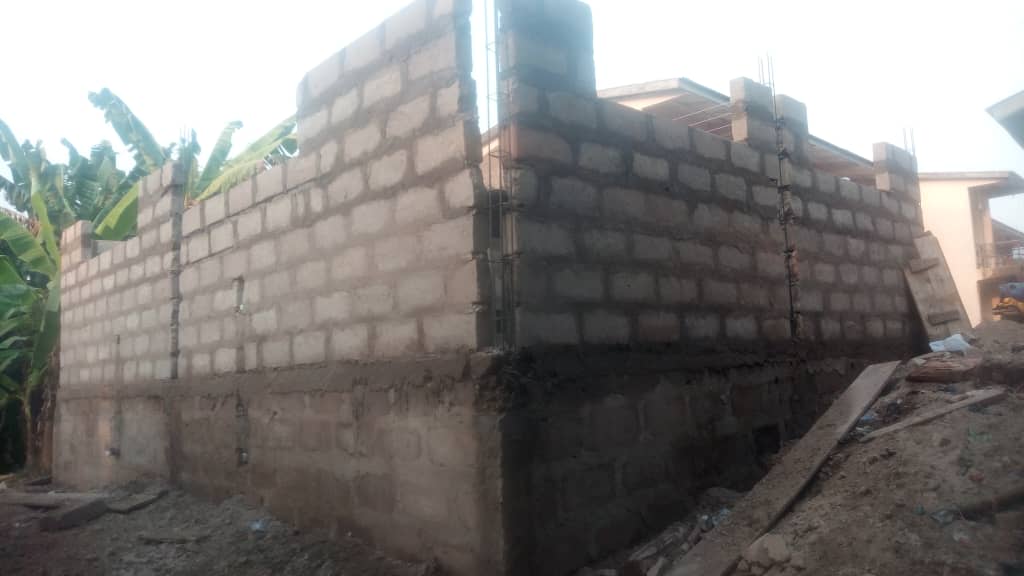
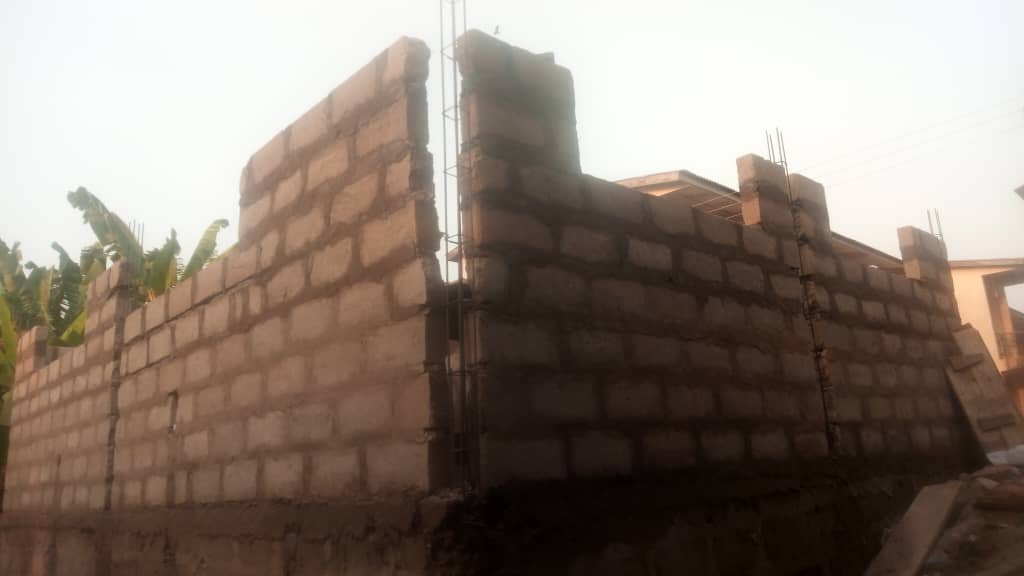
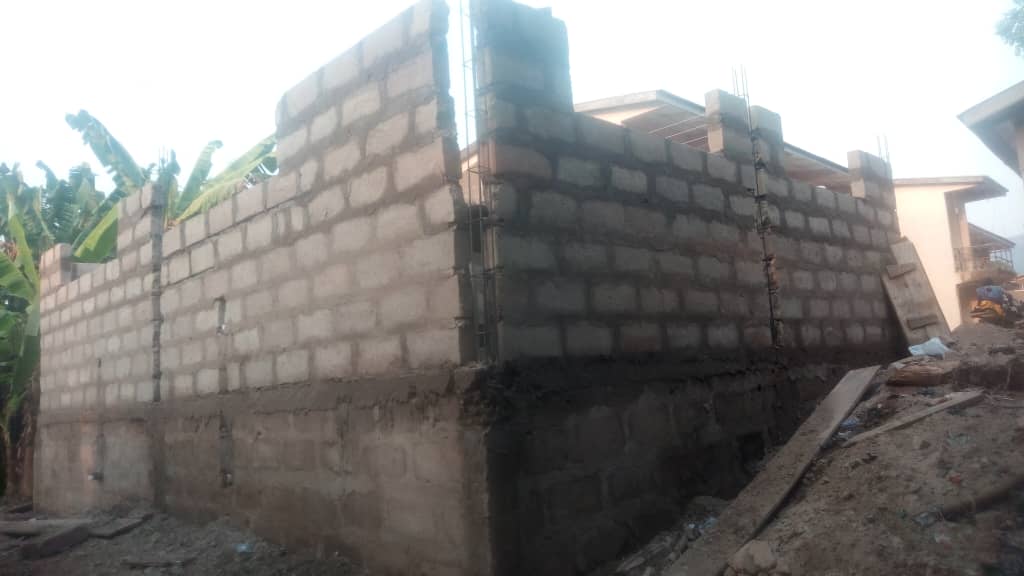
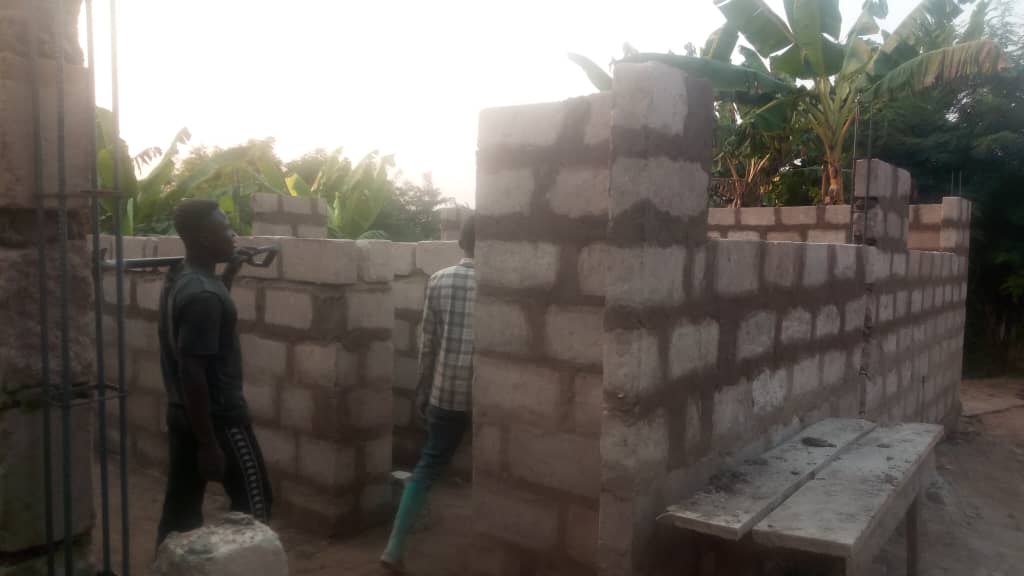
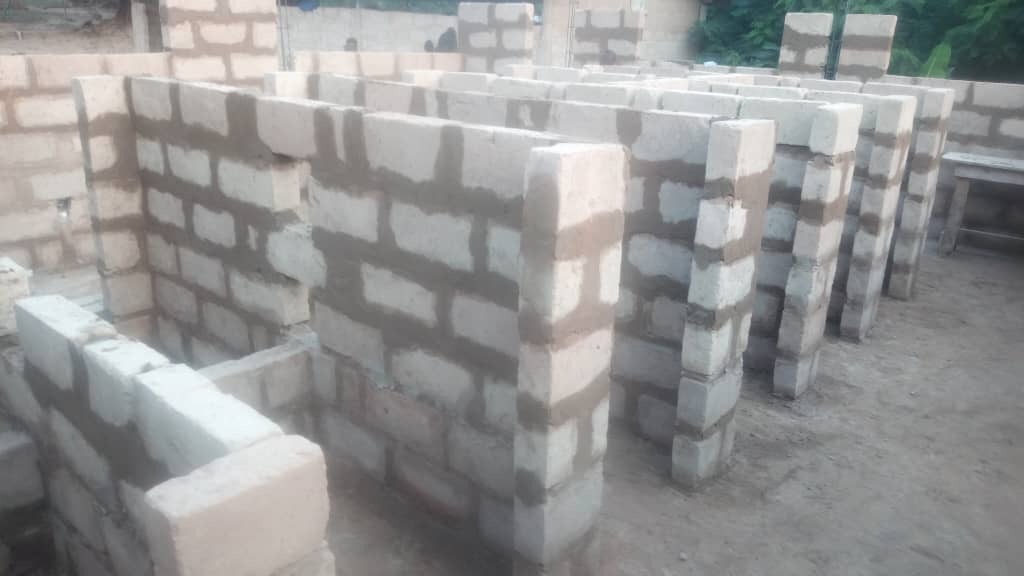
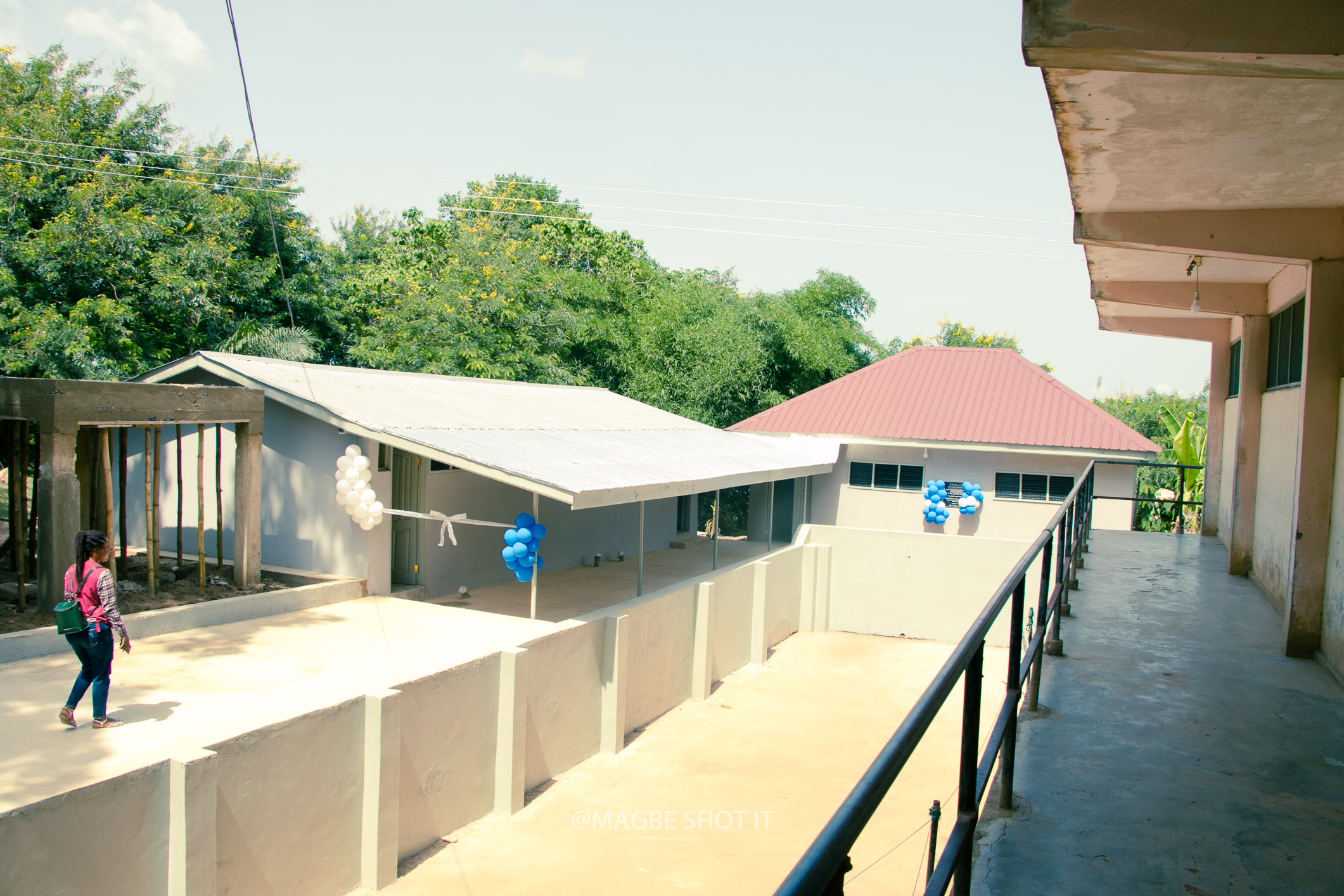
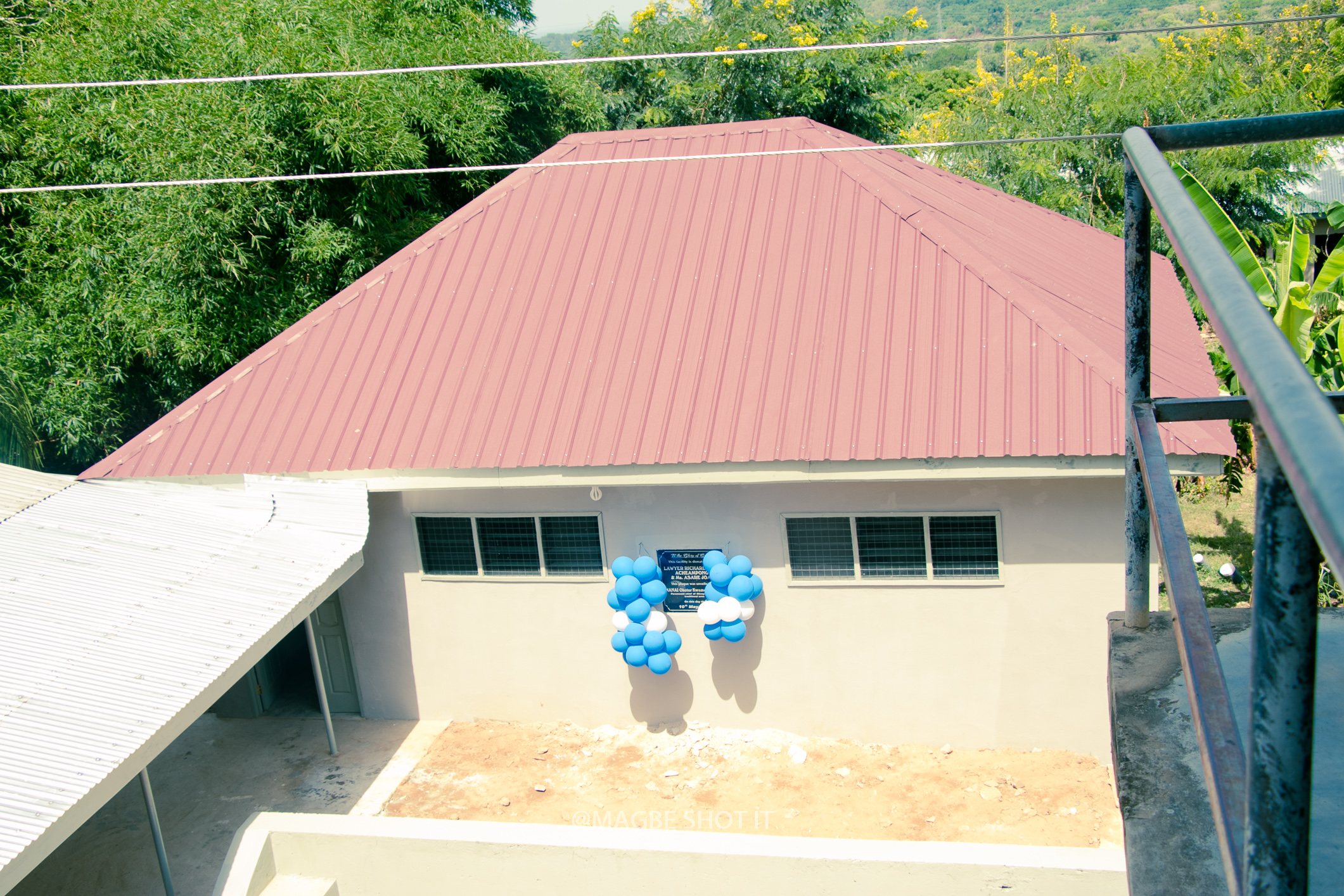
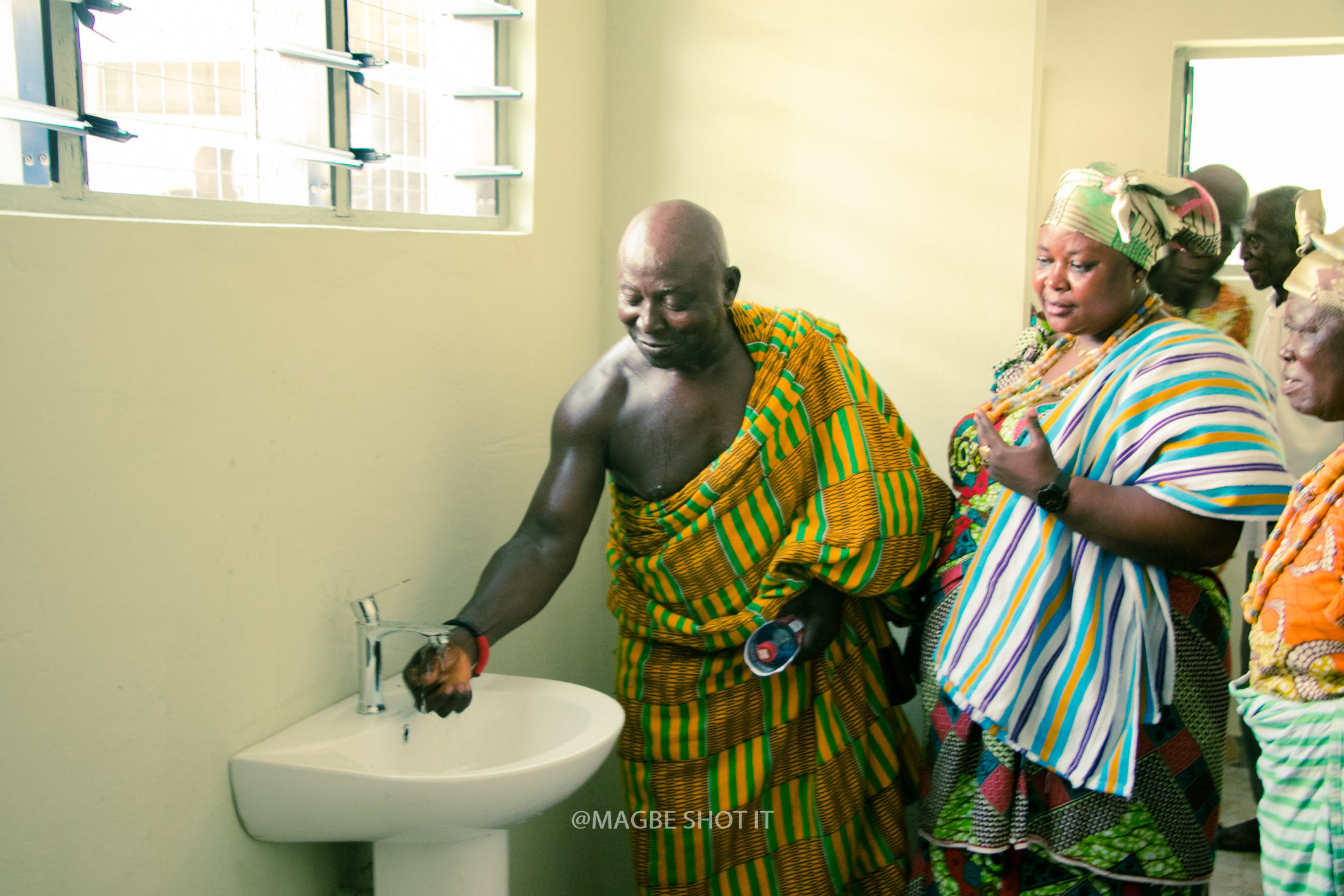
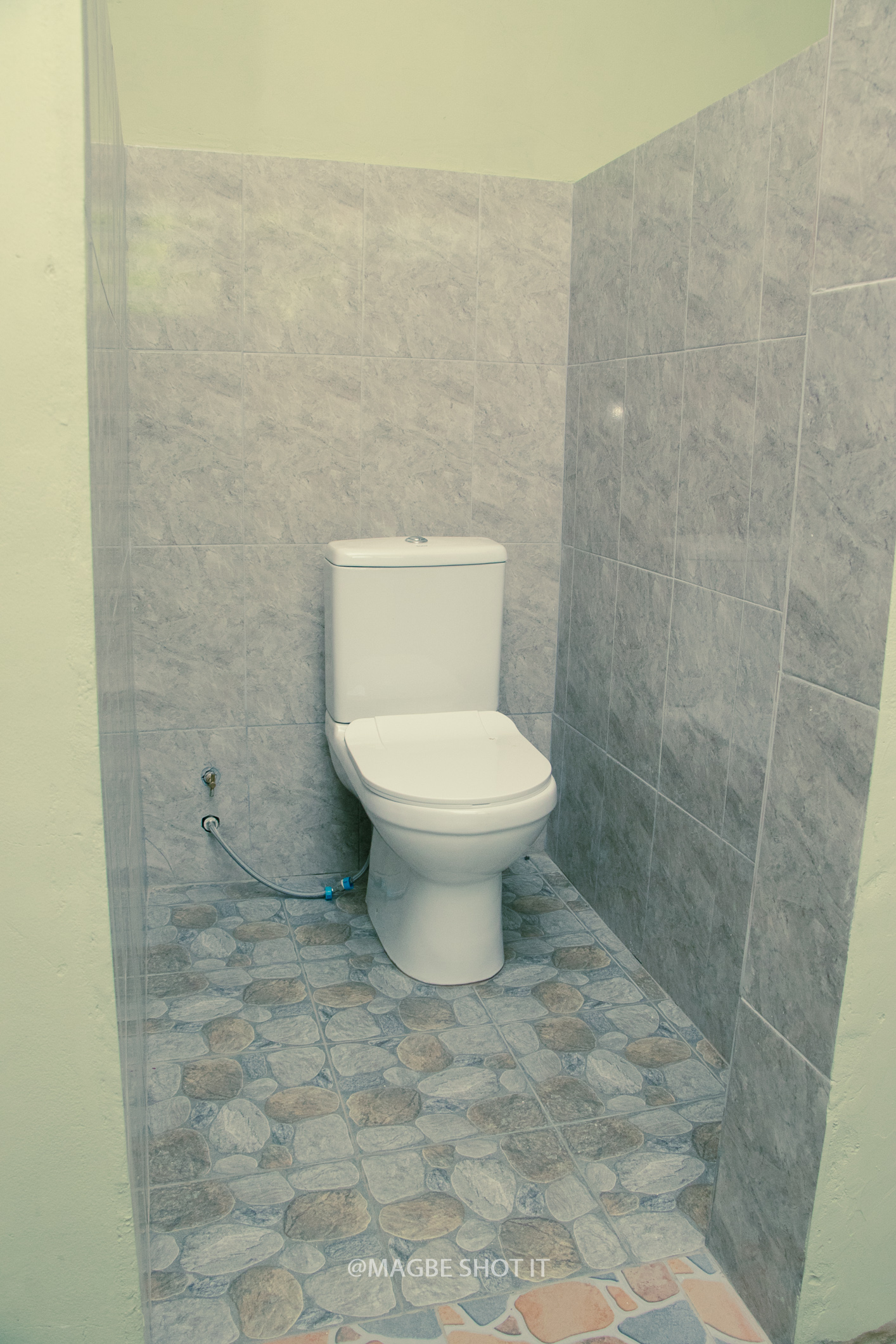
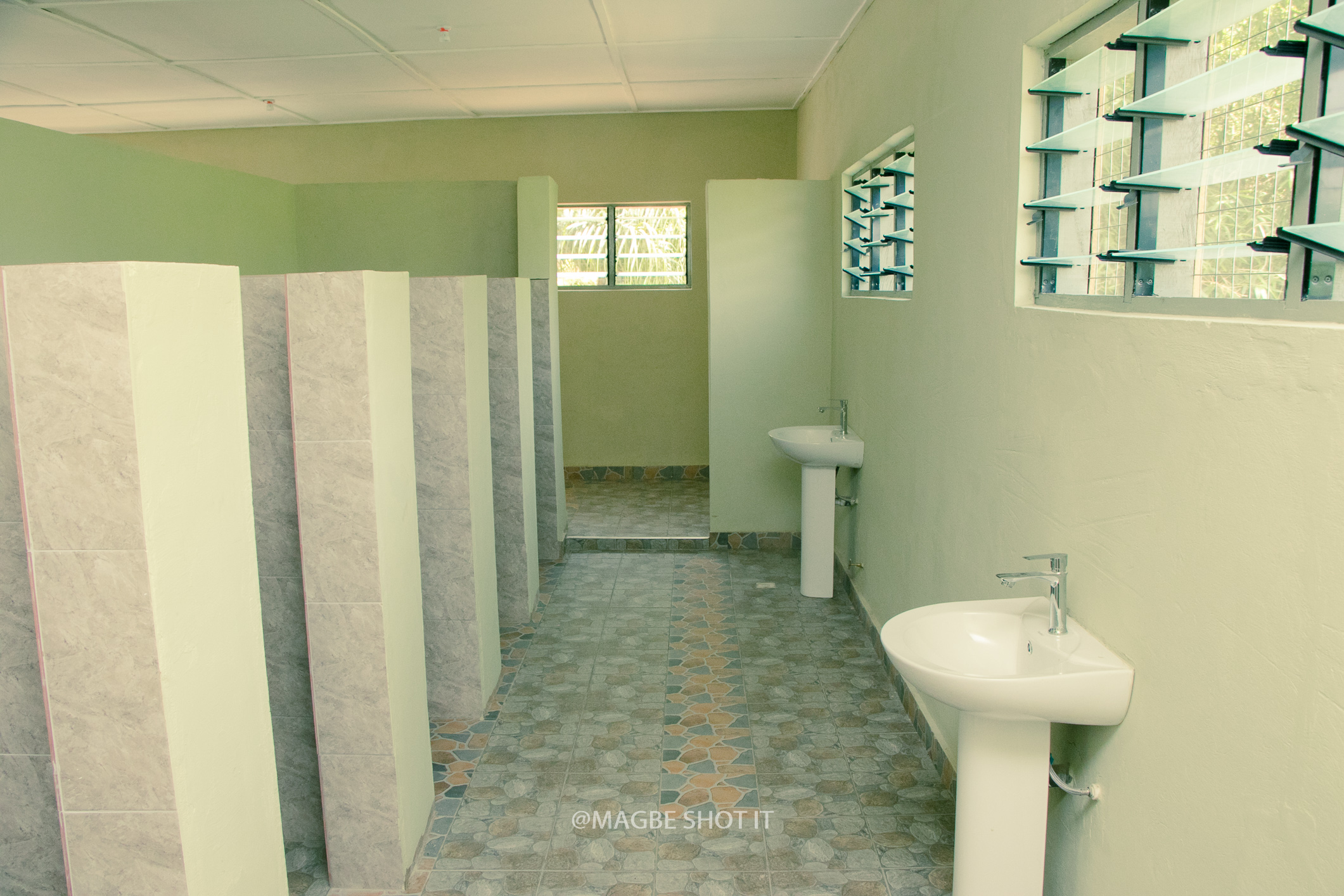
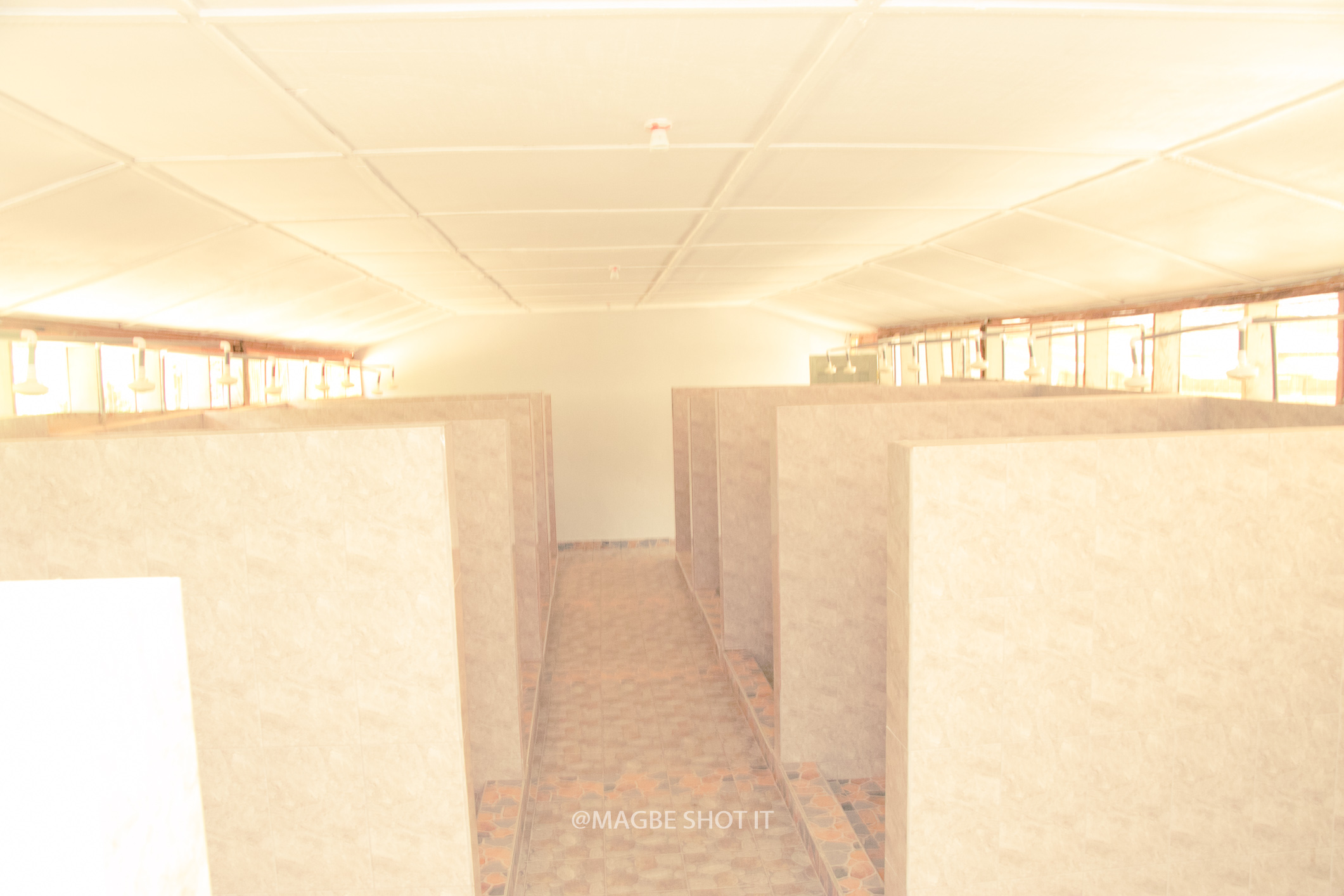
A modern 12-seater facility for the girls' dormitory. Completion of an older 25-unit washroom that had been abandoned for years. A roofed walkway between them, so students could move between blocks during heavy rain.
Funding & execution
Original budget: GHS 210,000 (~$15,000). Final cost: GHS 420,000 (over $30,000), driven by rising material costs and additional works identified mid-project — including the 25-unit completion, which was added late but delivered on time. Funding came from Richard's book royalties and personal savings. Despite the cost overrun, the project completed within 120 days as promised.
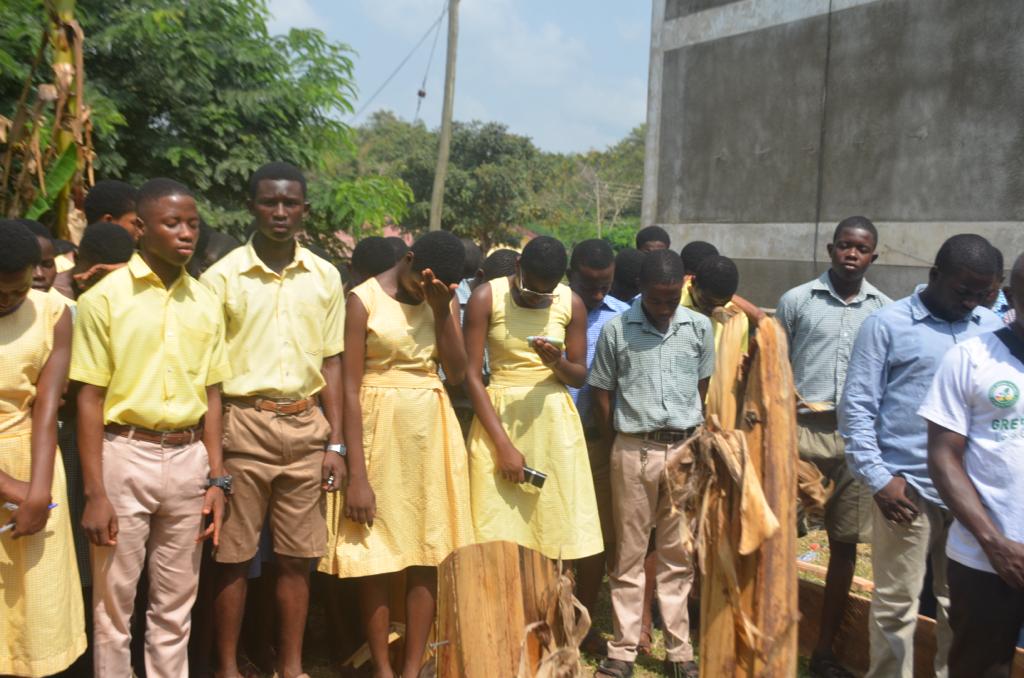
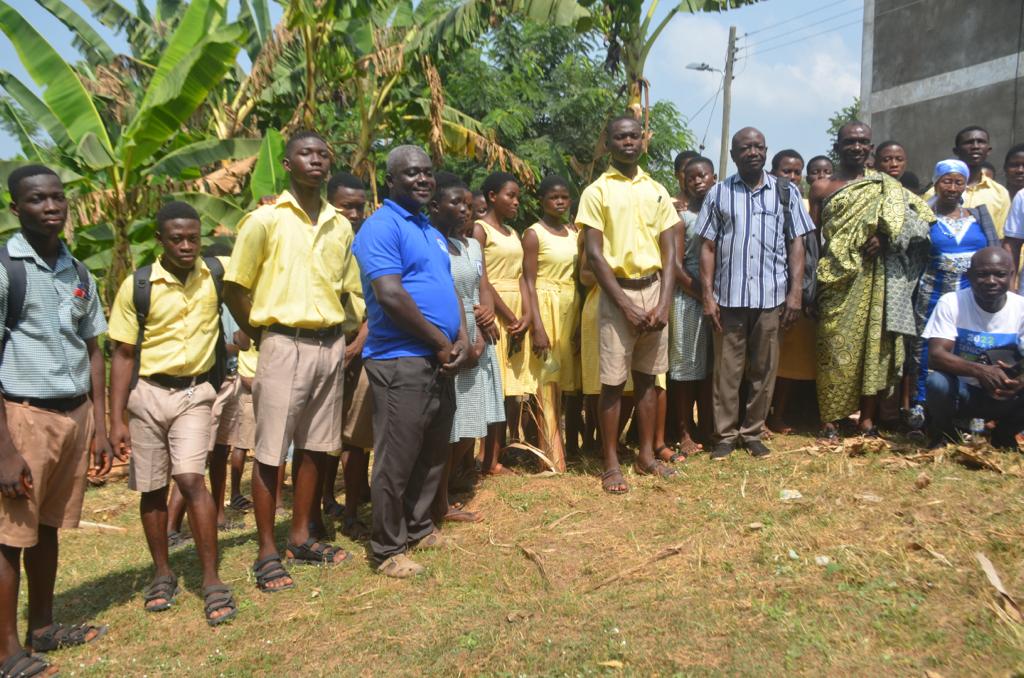
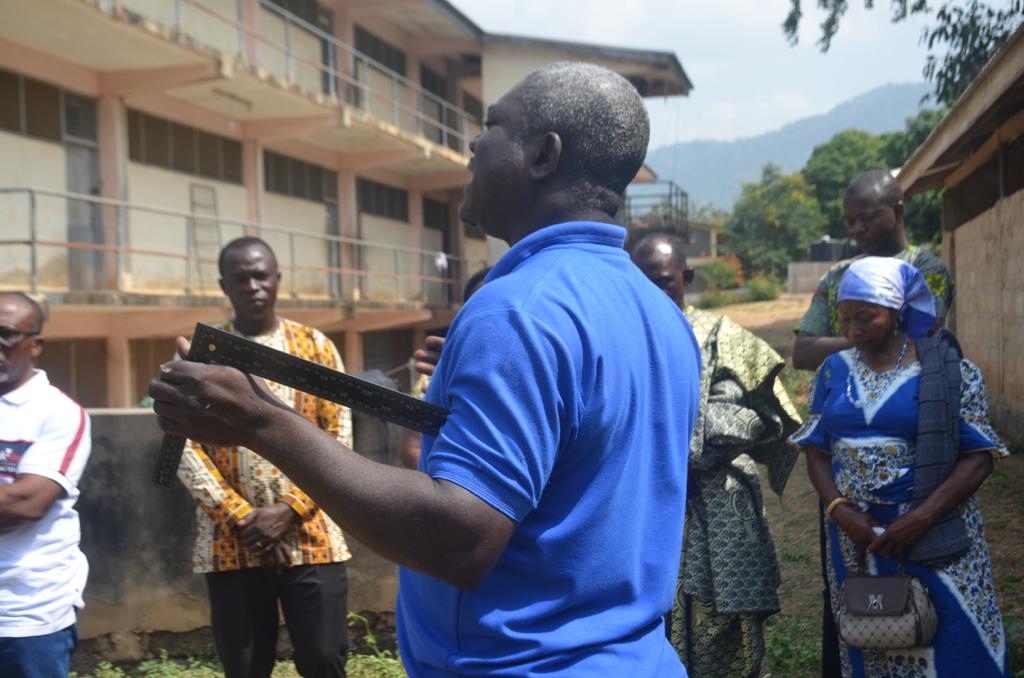
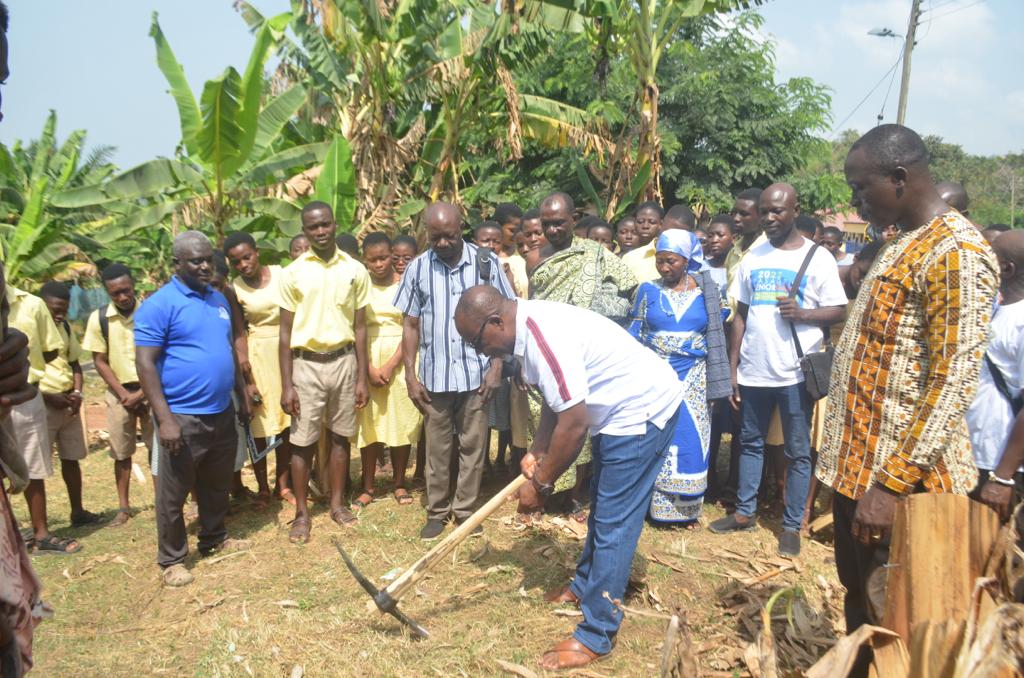
Four stages, documented in full.
Two engineered models — for different scales.
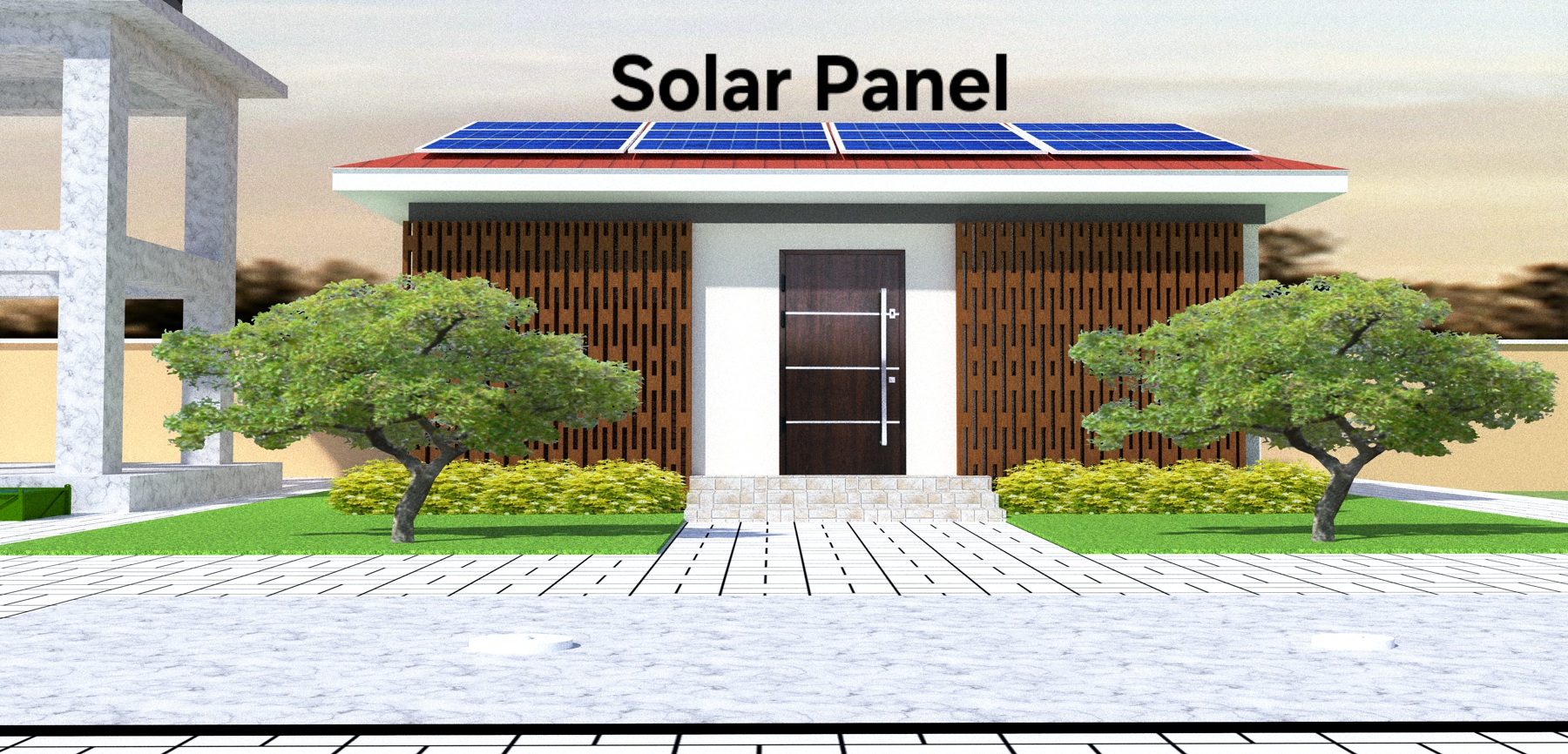
Solar-powered, borehole-fed.
For schools under ~600 daily users. Solar panels, a mechanised borehole, a properly engineered septic tank, and a layout designed for student flow.
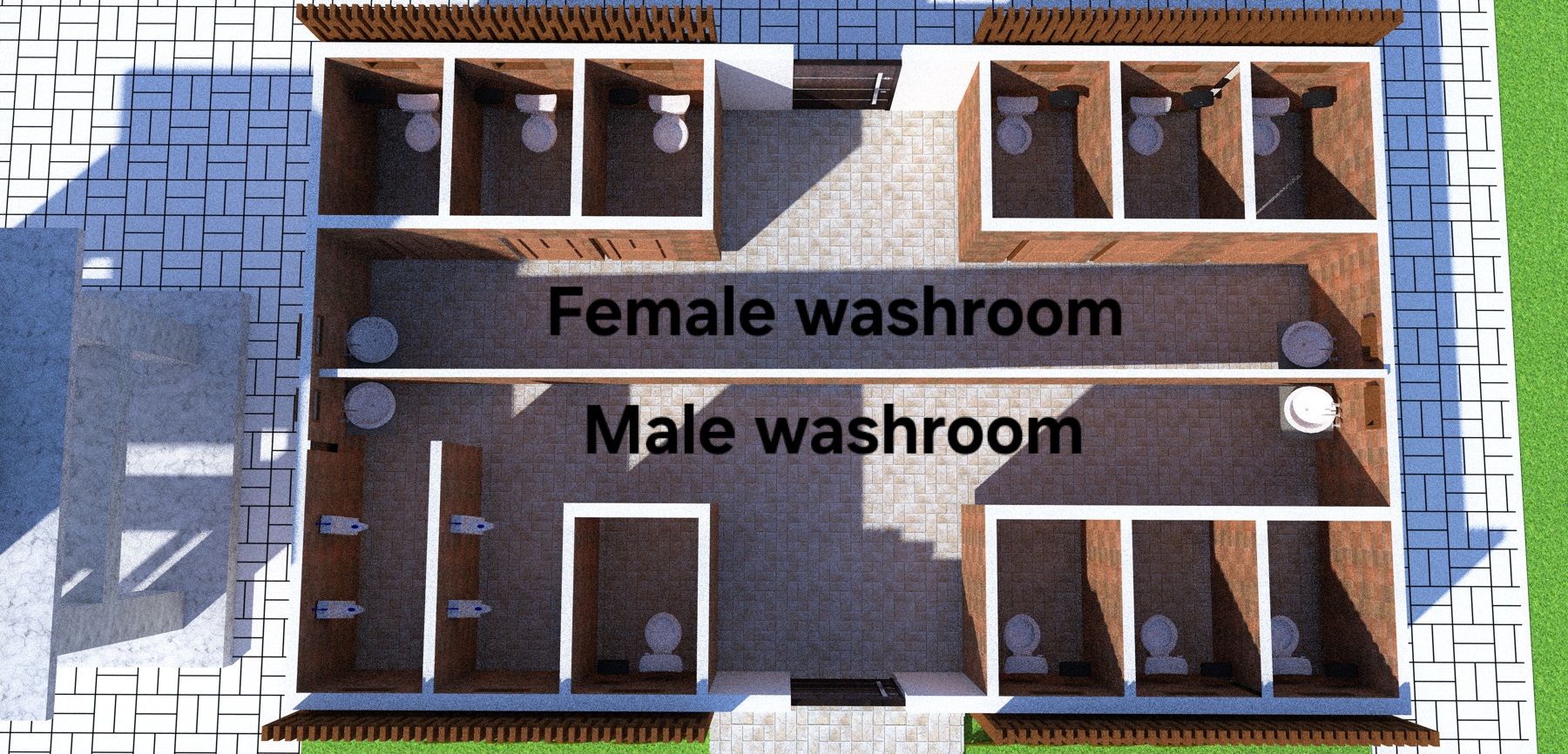
Waste-to-energy, slurry-to-fertiliser.
Where daily population exceeds 600, waste is captured and converted into kitchen energy. The leftover nutrient-rich slurry is reused as fertiliser.
It started as a personal commitment to give back to the school that shaped us. It became a model we can repeat — anywhere a community needs it.